This week on Sit. Stay. Learn., Dr. Adrienne Wright reviews a recent study looking at the use of platelet-rich plasma (PRP) alongside routine dental treatment in small-breed dogs with stage 2–3 periodontitis.
This paper was actually inspired by a customer request. We have heard more conversations around using PRP in veterinary dentistry, so I wanted to see what the literature had to say.
The study, Clinical Evaluation of Autologous PRP (Platelet-Rich Plasma) in the Treatment of Periodontitis in Small-Breed Dogs, was published in Animals in December 2025 and evaluated whether PRP could improve periodontal outcomes compared with routine dental cleaning alone.
Listen anywhere you get your podcasts…



Why This Matters
Periodontal disease is one of the most common oral health conditions in dogs, with the study noting that up to 80% of dogs may be affected by two years of age. Small breeds can be particularly susceptible because of their tendency toward rapid plaque and calculus accumulation.
And periodontal disease is much more than plaque on the teeth. As it progresses, chronic inflammation and microbial activity can damage the deeper structures supporting the tooth, including the periodontal ligament and alveolar bone. That can eventually lead to periodontal pockets, gingival recession, tooth mobility, and tooth loss.
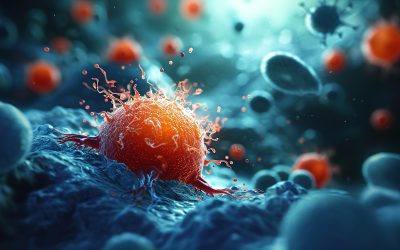
You hear inflammation, and my mind immediately goes to PRP. PRP concentrates platelets and their associated growth factors, including PDGF, FGF, VEGF, and EGF. These signaling molecules are involved in tissue healing, angiogenesis, and modulation of inflammation.
But what makes this application especially interesting is the microbial component. Platelet concentrates have also demonstrated antimicrobial activity, giving PRP an interesting combination of regenerative, anti-inflammatory, and antimicrobial properties for an environment like the mouth.
Study Overview
The study included 42 adult small-breed dogs, all between three and four years old and weighing approximately 1.8–5.9 kg.
The dogs had stage 2 or stage 3 periodontitis and were divided into two groups:
– 30 dogs received routine dental prophylaxis plus PRP.
– 12 dogs received routine dental prophylaxis alone.
One thing I would have preferred here was randomized group assignment. Instead, dogs were placed in the PRP group based on whether their owners consented to the additional treatment.
After the routine dental cleaning, the PRP group received 0.1 mL injections into the submucosal tissue, beneath the gingiva, and into periodontal pockets at ligament attachment sites.
The dogs were reevaluated 30 days later.
Researchers measured:
– Stage of periodontitis
– Gingival index
– Periodontal pocket depth
– Horizontal bone loss
Another important detail: the PRP was not activated before it was injected.
Key Findings
The dogs that received PRP showed better periodontal healing after 30 days than the dogs that received dental cleaning alone.
- Smaller periodontal pockets
- Less gingival inflammation
- Improvement in periodontal disease stage
- Improvement in horizontal bone loss measurements
- No major adverse effects reported
Some dogs had mild swelling at the injection sites and temporary hypersalivation, but these effects resolved quickly.
My Takeaway
This study provides encouraging evidence that PRP may be a useful adjunct to conventional periodontal therapy in small-breed dogs. At 30 days, the PRP group showed statistically significant improvements in gingival index, periodontal pocket depth, periodontitis stage, and horizontal bone loss compared with dental cleaning alone.
The findings are promising, but the non-randomized design, narrow age and breed range, and short follow-up period limit how broadly the results can be applied. Future studies should include larger, more diverse populations and directly compare activated versus non-activated PRP protocols.
If you have questions, or if there is a paper you would like Dr. Adrienne Wright to review next, reach out at adrienne@ardentanimalhealth.com.